A 1.5 TOG sleeping bag offers a balance, ideal for moderately cool rooms—typically 18-21°C (64-70°F). It’s a popular choice
for UK parents seeking comfortable sleep solutions for their little ones, providing warmth without overheating.
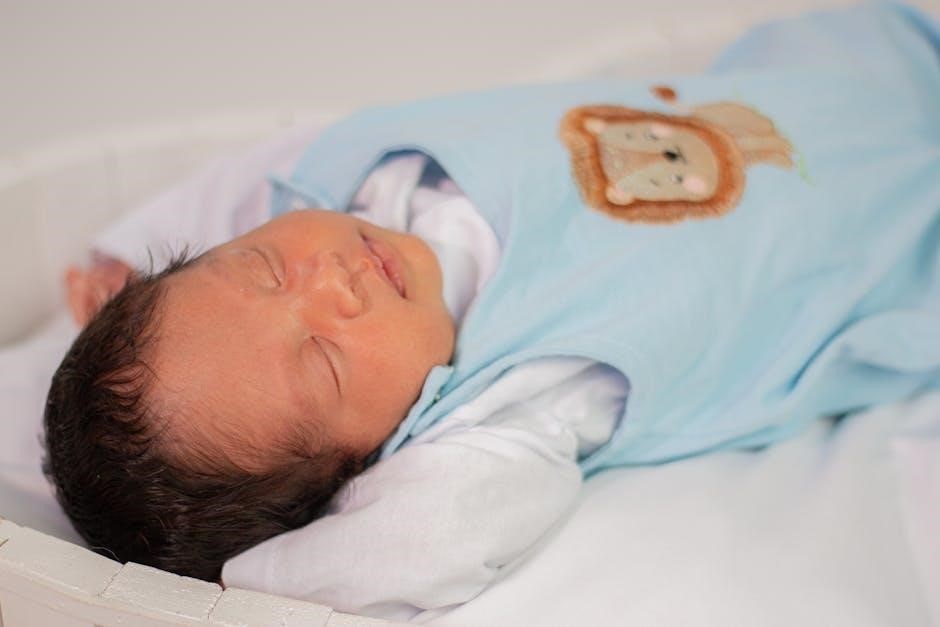
1.1 What is a TOG Rating?
TOG, standing for Thermal Overall Grade, is a unit of measurement quantifying thermal resistance – essentially, how well a fabric traps heat. Developed originally for the garment industry, it’s now widely used for baby sleeping bags to indicate their warmth level. The higher the TOG rating, the warmer the sleeping bag. A lower TOG rating signifies a cooler bag, suitable for warmer environments;
Understanding TOG is crucial because babies regulate their body temperature differently than adults. They don’t shiver or sweat effectively, making them vulnerable to overheating or becoming too cold; A TOG rating provides a standardized way to assess a sleeping bag’s suitability for a given room temperature. For instance, a 0.5 TOG is best for warmer rooms (23-26°C), while a 2.5 TOG is ideal for cooler temperatures (16-20°C). The 1.5 TOG falls comfortably in between, offering versatility for many UK homes.
1.2 Why is TOG Important for Baby Sleep?
Maintaining a safe and comfortable body temperature is paramount for a baby’s restful sleep and overall well-being. Babies don’t possess the same thermoregulatory abilities as adults; they struggle to dissipate heat efficiently, increasing the risk of overheating. Overheating is linked to a higher incidence of SIDS (Sudden Infant Death Syndrome), making TOG selection critically important.
Choosing the correct TOG rating ensures your baby isn’t too hot or too cold, promoting uninterrupted sleep. A baby who is too warm may become restless, sweaty, and uncomfortable, while a baby who is too cold might struggle to settle and could experience increased stress. The right TOG rating, aligned with the room temperature, helps create an optimal sleep environment. Selecting a 1.5 TOG bag, for example, provides a good balance for typical UK room temperatures, offering warmth without the dangers of excessive heat retention.
1.3 Understanding Thermal Resistance (TOG)
TOG, or Thermal Overall Grade, quantifies a fabric’s resistance to heat flow – essentially, how well it traps warmth; It’s a scale used to rate the warmth of clothing and bedding, including baby sleeping bags. A higher TOG number signifies greater thermal resistance and, therefore, a warmer product. Think of it like this: a 0.5 TOG offers minimal insulation, while a 3.5 TOG provides substantial warmth.
For babies, understanding TOG is crucial because they have a limited ability to regulate their body temperature. They readily absorb heat but struggle to release it. A 1.5 TOG sleeping bag, falling mid-range, provides a moderate level of insulation. It’s comparable to using a light blanket or feeling comfortable under a duvet. Parents should consider room temperature alongside TOG to ensure their baby remains comfortably warm, avoiding both overheating and chilling.
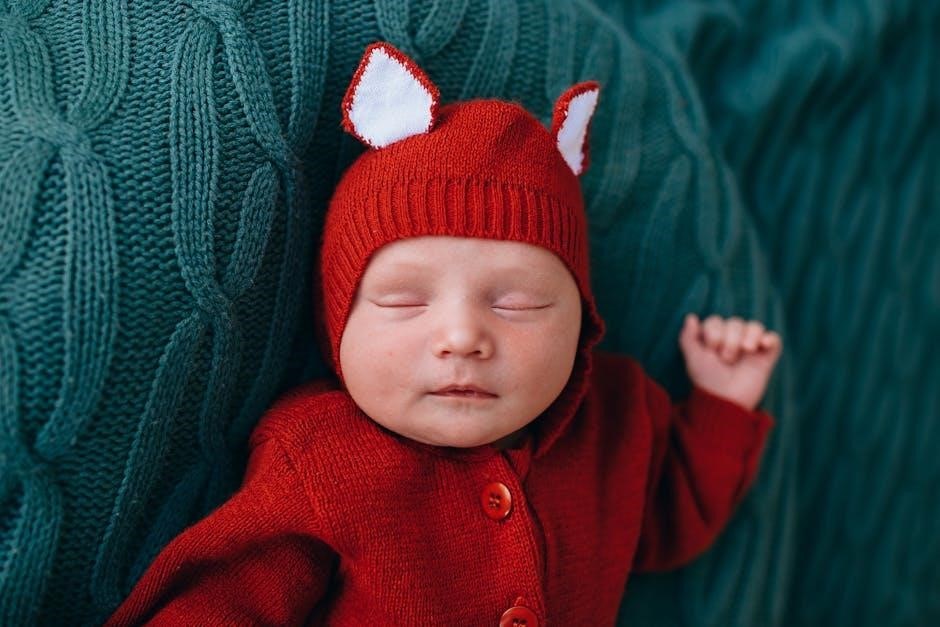
1.5 TOG Sleeping Bags: The Sweet Spot?
The 1.5 TOG rating strikes a balance, suitable for most UK nurseries maintaining temperatures between 18-21°C (64-70°F), offering cozy comfort for babies.
2.1 Ideal Room Temperatures for 1.5 TOG
Determining the ideal room temperature when using a 1.5 TOG sleeping bag is crucial for your baby’s comfort and safety. Generally, a room temperature between 18°C and 21°C (64°F and 70°F) is considered optimal for a 1.5 TOG bag. This range provides a comfortable environment without the risk of overheating.
However, remember that these are guidelines, and individual babies may have different needs. If your baby feels warm to the touch, or exhibits signs of overheating (sweating, flushed cheeks, rapid breathing), the room may be too warm, or your baby may be overlayered. Conversely, if your baby feels cool, consider increasing the room temperature slightly or adding an extra layer of clothing.
It’s important to note that a comfortable room temperature for a lightly clothed adult translates well to a baby’s needs. If you’d be comfortable with flannel pajamas, a 1.5 TOG bag is likely appropriate. Regularly monitoring the room temperature with a thermometer is highly recommended to ensure a safe and comfortable sleep environment for your little one.
2.2 When to Use a 1.5 TOG Sleeping Bag
A 1.5 TOG sleeping bag is exceptionally versatile, making it a suitable choice for much of the year in the UK climate. It’s particularly well-suited for autumn, winter, and spring nights when room temperatures typically fall within the 18-21°C range. This TOG rating bridges the gap between lighter 0.5/1.0 TOG bags for warmer temperatures and heavier 2.5/3.5 TOG bags for colder conditions;
Consider using a 1.5 TOG bag when transitioning between seasons, offering a comfortable middle ground. It’s also ideal for centrally heated homes where temperatures remain relatively consistent. Remember to always check your baby for signs of being too hot or too cold, adjusting layers accordingly.
If your baby typically runs warm, a 1.5 TOG might be suitable for even slightly warmer rooms. Conversely, if your baby tends to feel cold, you might need to supplement with extra clothing layers. Prioritize monitoring your baby’s comfort level over strictly adhering to temperature guidelines.
2.3 Comparing 1.5 TOG to Other TOG Ratings (0.5, 2.5, 3.5)
Understanding the differences between TOG ratings is crucial for safe sleep. A 0.5 TOG is best for warmer rooms (23-26°C), feeling similar to a light blanket – ideal for summer. Conversely, a 3.5 TOG provides significant warmth, suited for colder temperatures (16-20°C), akin to being cozy under a duvet.
The 1.5 TOG strikes a balance, offering moderate warmth for rooms between 18-21°C, comparable to wearing flannel pajamas under the covers. It’s a step up from 0.5/1.0 TOG for cooler nights, but less bulky than 2.5/3.5 TOG, preventing overheating in milder temperatures.
Remember that individual babies vary; some run hotter or colder. Guides from brands like LTD or ErgoPouch can be conservative, so observe your baby’s comfort. A 2.5 TOG might be needed for very cold rooms, while a 0.5 TOG is preferable if your baby consistently feels warm.
Room Temperature and TOG Selection
Accurately assessing room temperature is vital when choosing a TOG rating; a thermometer provides precise readings, ensuring your baby’s comfort and safety throughout the night.
3.1 Using a Room Thermometer
Investing in a reliable room thermometer is paramount for safe sleep practices when utilizing a 1.5 TOG sleeping bag. Don’t rely on personal comfort levels, as these can be subjective. Digital thermometers are readily available and offer precise readings, often displaying both Celsius and Fahrenheit. Place the thermometer near your baby’s sleep area, but not directly in sunlight or near a heat source, as this will skew the results.
Consistent monitoring is key. Room temperatures can fluctuate throughout the night, so checking the thermometer before bedtime and periodically during the night (if possible without disturbing your baby) is advisable. A comfortable range for a 1.5 TOG bag is generally between 18-21°C (64-70°F). Remember that a slight variation is acceptable, but significant deviations warrant adjusting the TOG rating or your baby’s clothing layers. Accurate temperature assessment is the foundation of appropriate TOG selection, ensuring your little one remains cozy and safe.
3.2 Correlation Between Room Temperature and Baby’s Clothing
The room temperature directly influences the clothing worn underneath a 1.5 TOG sleeping bag. Think of the sleeping bag as a core layer of warmth; the clothing adjusts for finer temperature control. If the room is at the warmer end of the 1.5 TOG range (around 21°C/70°F), a lightweight bodysuit or just a diaper might suffice. As the temperature drops towards 18°C/64°F, add a layer – a long-sleeved bodysuit or a lightweight sleepsuit.
Consider your baby’s individual temperature regulation; some babies naturally run warmer or cooler. A good rule of thumb is to dress your baby as you would dress yourself for comfortable sleep in that same room temperature. Avoid overdressing, as this increases the risk of overheating. Regularly check your baby’s chest or back of the neck to ensure they aren’t too hot or too cold. This careful correlation between room temperature and clothing is vital for safe and comfortable sleep.
3.3 Adjusting TOG Based on Seasonal Changes
As seasons shift in the UK, adjusting your baby’s TOG rating is crucial for maintaining a safe and comfortable sleep environment. A 1.5 TOG bag is generally suitable for spring and autumn, offering a versatile option as temperatures fluctuate. However, during colder winter months, you might need to transition to a 2.5 or even 3.5 TOG bag, especially if your heating isn’t consistently high.
Conversely, in warmer summer months, a 1.5 TOG might be too warm, potentially leading to overheating. Consider switching to a 0.5 TOG bag or simply using a lightweight cotton sleepsuit without a sleeping bag on particularly warm nights. Regularly monitor the room temperature and your baby’s comfort levels. Remember that central heating systems can impact room temperature, so consistent monitoring is key to adapting the TOG rating appropriately throughout the year.
Baby’s Individual Needs & Overheating
Babies vary in how they regulate temperature; some “run hot” and others “run cold.” Vigilance is key to prevent overheating, a serious safety concern when using a 1.5 TOG bag.
4.1 Recognizing Signs of Overheating
Identifying overheating in your baby is crucial for safe sleep. Feel your baby’s chest or the back of their neck – if it’s warm to the touch, they might be too hot. Sweating, flushed skin, rapid breathing, and restlessness are also indicators. A baby with overheating may also have a slightly faster pulse.
Be particularly attentive to their face; a red face doesn’t always mean overheating, but it’s a sign to check their temperature. Unlike adults, babies can’t easily remove layers themselves, making parental observation vital. Don’t rely solely on a hat; checking their core temperature is more reliable. If you’re concerned, remove a layer of clothing or the sleeping bag entirely and consult your healthcare provider. Remember, a comfortable baby is a safe baby, and recognizing these signs can prevent serious discomfort or health risks.
4.2 Babies Who Run Hot vs. Babies Who Run Cold
Some babies naturally run warmer or cooler than others, influencing TOG selection. “Hot” babies may feel warm to the touch even in cooler rooms and might only need a 0.5 or 1.0 TOG, even when others require 2.5; Conversely, “cold” babies might need a higher TOG (2.5 or 3.5) to maintain a comfortable temperature.
Observe your baby’s cues – frequent waking, sweating, or a flushed face suggest they run hot. Conversely, cold feet or hands, shivering, or feeling cool to the touch indicate they run cold. Personal experience matters; one parent noted their son always ran hot, needing only a 1;0 TOG at 19°C. Trust your instincts and adjust layering accordingly. Remember, general guidelines are starting points; individual needs always take precedence when choosing the appropriate TOG rating for your baby.
4.3 The Importance of Monitoring Baby’s Temperature
Regularly checking your baby’s temperature, particularly when adjusting TOG ratings or layering, is crucial for safe sleep. Feel the baby’s chest or back of the neck – it should be warm, not hot or cold. Avoid relying solely on hands and feet, as these can often feel cooler.
Pay attention to behavioral cues: restlessness, increased crying, or changes in feeding patterns can signal discomfort related to temperature. Overnight or early morning wakings could indicate the baby is too cold, prompting a TOG increase or additional layering. Conversely, a flushed face and sweating suggest overheating, requiring a lower TOG or fewer clothes. Consistent monitoring allows you to fine-tune the sleep environment and ensure your baby remains comfortable and safe throughout the night.
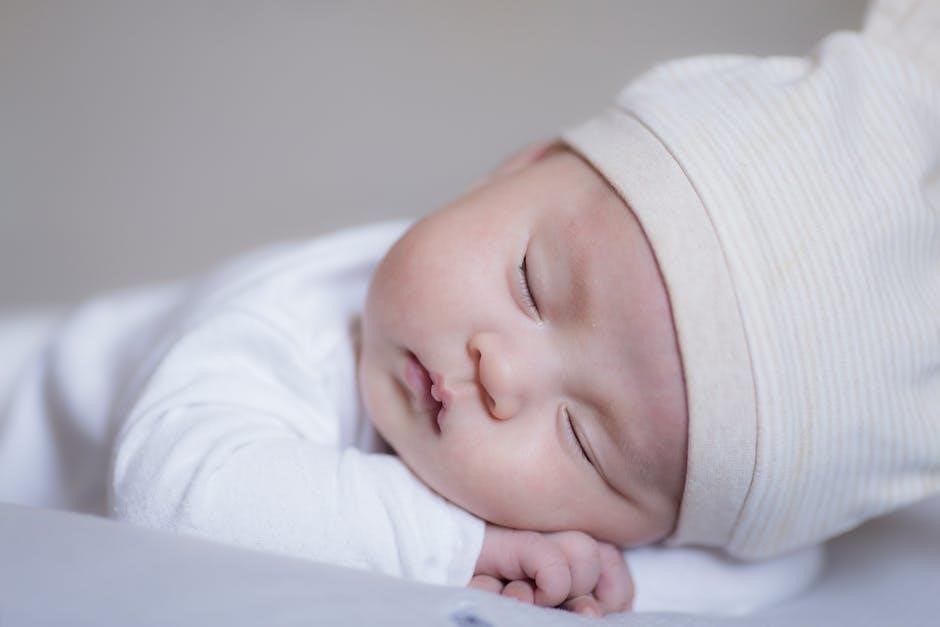
Layering with a 1.5 TOG Sleeping Bag
For a 1.5 TOG bag, consider a short-sleeved bodysuit and lightweight pajamas for room temperatures around 18-21°C. Adjust layers based on individual baby needs.
5.1 What to Wear Under a 1.5 TOG Bag
Determining appropriate under-layers for a 1.5 TOG sleeping bag hinges on the room temperature and your baby’s individual thermal regulation. Generally, a 1.5 TOG bag is suitable for room temperatures between 18-21°C (64-70°F). A good starting point is a short-sleeved bodysuit paired with lightweight pajamas. This provides a comfortable base layer without excessive warmth.
However, remember that babies vary! Some run warmer, while others feel the cold more. If your baby tends to overheat easily, opt for just a bodysuit. Conversely, if they seem chilly, add a layer like a long-sleeved pajama top or a thin sleepsuit. Avoid bulky or heavy clothing, as this can negate the TOG rating and increase the risk of overheating.
Consider the material too. Cotton is breathable and a good choice for most temperatures. Fleece is warmer and best reserved for colder nights or babies who feel the cold. Always prioritize comfort and ensure your baby isn’t restricted in their movements within the sleeping bag.
5.2 Layering Guide for Different Room Temperatures
Here’s a guide for layering under a 1.5 TOG sleeping bag, keeping in mind individual baby variations. For 18-20°C (64-68°F), a short-sleeved bodysuit and lightweight pajamas are ideal. At 16-18°C (61-64°F), add a long-sleeved pajama top or a thin sleepsuit over the bodysuit. If the room dips to 15°C (59°F) or below, consider a fleece-lined sleepsuit or a warmer pajama set.
Remember, these are starting points. Observe your baby for signs of being too hot or cold. If they’re sweaty, flushed, or breathing rapidly, reduce layers. If their hands and feet are cold, or they seem restless, add a layer. A room thermometer is invaluable for accurate temperature monitoring.
Don’t overlayer! A 1.5 TOG bag provides significant warmth. Prioritize breathable fabrics like cotton and avoid bulky items that could restrict movement or contribute to overheating. Always err on the side of slightly cooler rather than too warm, for safe sleep.
5.3 Avoiding Over-Layering
Over-layering with a 1.5 TOG sleeping bag is a common concern, potentially leading to overheating. Remember, a 1.5 TOG already provides substantial warmth, equivalent to feeling comfortable under a duvet. Avoid heavy materials like thick wool or multiple layers of fleece directly against the baby’s skin.
A simple rule of thumb: dress your baby as you would for a comfortably cool room. One layer more than you’d wear yourself is generally sufficient. Regularly check your baby’s chest or back of the neck – it should feel warm, not hot or sweaty. Cool wrists or ankles can also indicate a comfortable temperature.
Be mindful of hats; they are generally not recommended for sleep due to overheating risks. Prioritize breathable fabrics like cotton. Trust your instincts and adjust layers based on your baby’s individual cues and the room temperature, ensuring a safe and comfortable sleep environment.
Brands and Types of 1.5 TOG Sleeping Bags (UK Market)
Popular UK brands like LTD, ErgoPouch, and Woolbabe offer 1.5 TOG options in various styles—swaddles and sleep sacks—using materials like cotton and fleece.
6.1 Popular UK Brands (LTD, ErgoPouch, Woolbabe)
Several UK brands consistently receive positive reviews for their 1.5 TOG sleeping bags. LTD (Love To Dream) is well-known for its swaddle-to-sleeper transition bags, offering a unique design that allows babies to self-soothe while remaining securely swaddled or with arms free. Many parents find their TOG guides conservative, often needing to add layers for optimal warmth.
ErgoPouch provides a wide range of sleeping bags, including 1.5 TOG options made from organic cotton and bamboo. They are praised for their quality and comfort, and also provide layering guides, though, like LTD, these can be a starting point rather than a strict rule. Woolbabe specializes in merino wool sleeping bags, naturally temperature regulating and breathable. Their 1.5 TOG bags are a great choice for babies who tend to overheat, offering consistent comfort.
When choosing, consider the specific features each brand offers, such as arm openings, zipper direction, and material composition, to find the best fit for your baby’s needs and preferences.
6.2 Different Styles: Swaddles vs. Sleep Sacks
The choice between a 1.5 TOG swaddle and a sleep sack depends on your baby’s age and developmental stage. Swaddles, like those from LTD, are designed for newborns, mimicking the feeling of being held securely, which can promote better sleep. They restrict leg movement, aiding the Moro reflex. However, once a baby shows signs of rolling, swaddling is no longer safe.
Sleep sacks, also known as sleeping bags, offer more freedom of movement and are suitable for older babies and toddlers. They provide a safe alternative to loose blankets, keeping baby warm and comfortable throughout the night. A 1.5 TOG sleep sack is ideal for cooler temperatures, offering a cozy environment without overheating.
Some brands offer transitional swaddles that allow for one or both arms to be free, bridging the gap between swaddling and a sleep sack. Consider your baby’s individual needs and preferences when selecting the appropriate style.
6.3 Material Considerations (Cotton, Fleece, etc.)
When choosing a 1.5 TOG sleeping bag, material plays a crucial role in comfort and breathability. Cotton is a popular choice, known for its softness and ability to regulate temperature, making it suitable for various climates. However, cotton may not be as warm as other materials in colder temperatures.
Fleece offers excellent warmth and is often used in winter-weight sleeping bags. It’s incredibly soft but can be less breathable than cotton, potentially leading to overheating if the room is too warm. Wool is another excellent option, naturally temperature-regulating and moisture-wicking, keeping baby warm when it’s cold and cool when it’s warm.
Consider blends of materials for optimal performance. Some brands, like Woolbabe, specialize in merino wool sleeping bags. Always check the care instructions to ensure the material is easy to clean and maintain.
Safety Considerations
Prioritize a snug fit, avoiding loose bedding like blankets. Ensure the sleeping bag isn’t too large, preventing face coverage, and always follow safe sleep guidelines for optimal baby safety.
7.1 Safe Sleep Guidelines & TOG Ratings
Safe sleep practices are paramount when using any TOG-rated sleeping bag, including a 1.5 TOG. Always place your baby on their back to sleep, on a firm, flat surface, free from loose bedding such as blankets, pillows, or toys. These items pose a suffocation risk. The Lullaby Trust provides comprehensive guidance on creating a safe sleep environment.
A 1.5 TOG bag is suitable for room temperatures between 18-21°C (64-70°F), but it’s crucial to monitor your baby for signs of overheating. Remember that TOG ratings are a guide; individual babies have different thermal needs. Consider your baby’s clothing layers underneath the bag – avoid over-bundling. Regularly check your baby’s chest or back of the neck to ensure they aren’t too warm. A warm baby isn’t necessarily a safe baby; overheating increases the risk of SIDS. Prioritize a safe sleep environment above strictly adhering to a TOG rating.
7.2 Ensuring Proper Fit of the Sleeping Bag
A correctly fitted 1.5 TOG sleeping bag is essential for both comfort and safety. The bag should be snug around the baby’s shoulders, preventing them from slipping down inside. However, it shouldn’t be too tight, restricting movement or breathing. Check for a neck opening that’s appropriately sized – ideally, only two fingers should fit between the neck and the bag’s edge.
Always choose a size appropriate for your baby’s weight and length, following the manufacturer’s guidelines. Avoid buying a size too large, anticipating future growth, as this compromises safety. Ensure the armholes aren’t excessively wide, preventing arms from slipping through. Regularly assess the fit as your baby grows, transitioning to a larger size when necessary. A well-fitting 1.5 TOG bag allows for natural movement while maintaining a secure and warm sleep environment.
7.3 Avoiding Loose Blankets and Other Bedding
The primary benefit of a 1.5 TOG sleeping bag is eliminating the need for loose blankets and other potentially hazardous bedding in the baby’s sleep space. These items pose a significant suffocation risk, particularly for infants. A sleeping bag provides a secure and consistent layer of warmth, reducing the temptation to add extra coverings.
Resist the urge to add duvets, quilts, or even loose sheets to the cot, even during colder months. The 1.5 TOG rating is designed to provide adequate warmth for a range of room temperatures when paired with appropriate clothing layers. Focus on dressing your baby correctly underneath the bag, rather than relying on additional bedding. Maintaining a clear cot environment is crucial for safe sleep practices, minimizing risks and promoting peaceful nights for both baby and parents.