Article Plan: Heating Instructions
Understanding proper heating protocols is crucial for food safety‚ preventing bacterial growth‚ and ensuring meals are thoroughly warmed to 140°F or higher within two hours․
Reheating food safely is paramount to preventing foodborne illnesses and ensuring a pleasant dining experience․ Maintaining proper temperatures throughout the heating process is not merely a suggestion‚ but a critical food safety practice․ Leaving cooked food at room temperature for extended periods – exceeding two hours – creates a breeding ground for harmful bacteria․
Prompt refrigeration‚ below 5°C‚ is essential for preserving leftovers․ When reheating‚ the goal is to quickly raise the internal temperature to 60°C or higher‚ ideally within two hours‚ to eliminate any potential bacterial growth․ Consistent attention‚ especially during stovetop heating‚ and utilizing a food thermometer are vital components of safe reheating․ Remember‚ heat effectively kills food poisoning organisms‚ but only when applied correctly and consistently․
Why Following Heating Instructions Matters
Adhering to specific heating instructions isn’t simply about achieving the perfect temperature; it’s a cornerstone of food safety and public health․ Incorrectly reheated food can harbor dangerous levels of bacteria‚ even if it appears and smells normal․ These organisms can cause severe illness‚ impacting individuals of all ages‚ but particularly vulnerable populations․
Safe temperature-time combinations are crucial – cooking instructions are designed around these principles․ Failing to reach a core temperature of 75°C or higher can leave harmful pathogens alive․ Furthermore‚ consistent heating ensures the entire food item reaches a safe internal temperature‚ eliminating “cold spots” where bacteria can survive․ Following guidelines protects your well-being and demonstrates responsible food handling practices‚ minimizing the risk of foodborne diseases․
Understanding Food Safety Temperatures
Maintaining appropriate temperatures is paramount when dealing with food‚ especially during reheating․ The “Danger Zone‚” spanning 40°F to 140°F‚ is where bacteria multiply rapidly․ Food held within this range for more than two hours becomes increasingly unsafe for consumption․ Therefore‚ swiftly moving food through this zone is vital․
Safe internal temperatures vary depending on the food type․ Poultry and meat require thorough cooking to a core temperature of 75°C (167°F) or higher to eliminate harmful pathogens․ Reheated foods must reach 140°F to prevent bacterial growth․ Utilizing a food thermometer is essential to verify these temperatures accurately‚ ensuring complete safety and peace of mind during meal preparation and reheating processes․
The Danger Zone (40°F ‒ 140°F)
The temperature range between 40°F and 140°F is critically known as the “Danger Zone” because it’s the ideal breeding ground for harmful bacteria․ Within this range‚ bacteria multiply at an alarming rate‚ significantly increasing the risk of foodborne illness․ Leaving cooked food at room temperature for over two hours allows bacteria to flourish‚ making the food potentially unsafe to eat․
Prompt refrigeration – keeping food below 5°C (41°F) – slows bacterial growth․ Conversely‚ maintaining hot food at 140°F or higher inhibits bacterial proliferation․ Understanding and respecting this temperature zone is fundamental to safe food handling practices‚ protecting individuals from potential health hazards associated with improperly stored or reheated food․ Swiftly moving food through this zone is key․
Safe Internal Temperatures for Different Foods
Achieving a safe internal temperature is paramount when reheating food‚ ensuring harmful bacteria are eliminated․ For thorough cooking‚ the core of the food – the thickest part – must reach at least 75°C (167°F)․ Poultry and meat require particularly diligent attention‚ demanding complete cooking to prevent illness․
While specific temperatures vary‚ consistently using a food thermometer is vital․ Reheating potentially hazardous food necessitates rapid heating to 60°C (140°F) or hotter‚ ideally within two hours․ This rapid heating minimizes the time bacteria have to multiply․ Remember‚ visual cues alone are unreliable indicators of safe internal temperatures; a thermometer provides the only accurate assessment‚ safeguarding against foodborne diseases․
General Heating Guidelines
Prioritizing food safety during reheating demands adherence to key guidelines․ Prompt refrigeration of cooked and perishable foods below 5°C (41°F) is essential․ Avoid leaving cooked food at room temperature for over two hours‚ as this falls within the danger zone where bacteria thrive․ When reheating‚ aim for rapid heating to 60°C (140°F) or higher‚ ideally completing the process within two hours to minimize bacterial growth․
Consistent heat distribution is also crucial․ Ensure the food is heated evenly throughout‚ avoiding cold spots where bacteria can survive․ Proper techniques‚ tailored to the heating method‚ are vital for achieving this․ Maintaining hot holding temperatures of 140°F or higher after reheating further prevents bacterial proliferation‚ ensuring a safe and enjoyable meal․
Reheating Food Within a Safe Timeframe (2 Hours)
The two-hour rule is paramount for food safety when reheating․ Leaving cooked food at room temperature for longer than two hours allows bacteria to multiply rapidly‚ increasing the risk of foodborne illness․ This timeframe begins immediately after cooking ceases or food is removed from temperature control‚ like refrigeration․
If potentially hazardous food remains at room temperature for over two hours‚ it should be discarded․ Rapidly reheating food to 60°C (140°F) or higher within this timeframe is crucial; This quick heating inhibits bacterial growth and ensures the food is safe for consumption․ Remember‚ consistent monitoring and adherence to this rule are vital for protecting your health and preventing food poisoning․
Achieving Consistent Heat Throughout the Food
Ensuring even heating is as important as reaching a safe internal temperature․ Cold spots within food can harbor bacteria‚ even if the overall temperature appears adequate․ Stirring during microwave reheating is essential; it distributes heat and eliminates these dangerous cold areas․ For oven reheating‚ rotating the dish halfway through helps achieve uniform cooking․

When using a stovetop‚ consistent attention and frequent stirring are key․ Larger portions require more time and effort to heat thoroughly․ Always check the internal temperature in multiple locations‚ particularly the thickest parts‚ using a food thermometer․ Consistent heat penetration guarantees the entire food item reaches a safe temperature‚ minimizing the risk of foodborne illness and maximizing food safety․
Heating Methods & Specific Instructions
Different heating methods require tailored approaches for optimal safety and quality․ Microwaves‚ ovens‚ and stovetops each present unique challenges․ Microwave heating demands frequent stirring to distribute heat evenly‚ preventing cold spots and ensuring thorough warming․ Oven reheating benefits from maintaining consistent temperatures and utilizing covered dishes to retain moisture‚ preventing dryness․
Stovetop heating necessitates constant attention and stirring‚ employing low to medium heat to avoid scorching․ Regardless of the method‚ rapid heating to 60°C (140°F) within two hours is crucial for potentially hazardous foods․ Selecting the appropriate method and following specific instructions are vital for effectively and safely reheating food‚ minimizing risks and preserving flavor․
Microwave Heating: Best Practices
Microwave heating‚ while convenient‚ requires specific techniques for safe and even food warming․ Consistent stirring is paramount; it distributes heat‚ eliminating cold spots and ensuring the entire portion reaches a safe internal temperature․ This active process is integral to proper microwave cooking and reheating‚ guaranteeing uniform heating throughout the food․
Always utilize microwave-safe containers – glass or plastic specifically labeled for microwave use – to prevent chemical leaching or melting․ Avoid metal containers‚ as they can cause sparks and damage the appliance․ Standing time after microwaving allows heat to equalize‚ completing the cooking process․ Remember‚ microwaves heat from the outside in‚ making stirring and appropriate containers essential for food safety․
Stirring for Even Heating

Consistent stirring during microwave heating isn’t merely a suggestion; it’s a fundamental safety practice․ Microwaves often create uneven heat distribution‚ leaving cold spots where bacteria can survive․ Regularly interrupting the heating cycle to stir redistributes energy‚ ensuring all parts of the food reach the necessary temperature to eliminate potential hazards․ This process is particularly vital for dense or thick foods․
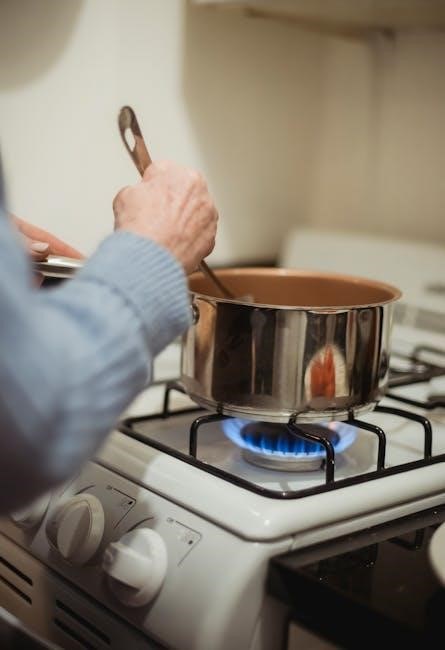
Stirring also helps break down larger clumps‚ promoting more uniform heating․ It’s an active part of the cooking process‚ not an afterthought․ The act of standing and stirring ensures the food is the same temperature throughout‚ preventing partially cooked areas․ Frequent stirring‚ approximately every minute‚ is recommended for optimal results and food safety․
Using Microwave-Safe Containers
Selecting appropriate containers is paramount when utilizing a microwave for reheating․ Not all materials are created equal‚ and using unsuitable containers can lead to chemical leaching into your food‚ posing health risks․ Opt for containers explicitly labeled “microwave-safe‚” typically made from glass‚ ceramic‚ or specific types of plastic designed to withstand microwave radiation․
Avoid using metal containers‚ aluminum foil‚ or containers with metallic trim‚ as these can cause sparks and potentially damage your microwave․ Similarly‚ certain plastics‚ like those marked with recycling codes 3‚ 6‚ or 7‚ may not be microwave-safe․ Always check the manufacturer’s instructions before use․ Proper container selection contributes significantly to safe and effective reheating practices․
Oven Heating: Maintaining Temperature & Moisture
Oven reheating offers excellent temperature control and even heating‚ but requires attention to detail to prevent food from drying out․ Maintaining consistent heat is vital; recommended temperatures generally range from 325°F to 350°F (163°C to 177°C)‚ though this varies depending on the food type and quantity․ Preheating the oven ensures consistent cooking from the start․
To combat moisture loss‚ covering the food is highly recommended․ Utilize oven-safe lids‚ aluminum foil (vented to allow steam escape)‚ or oven-safe baking dishes with tight-fitting lids․ This creates a humid environment‚ preserving the food’s texture and flavor․ Regularly check the internal temperature with a food thermometer to guarantee thorough reheating to a safe internal temperature․
Recommended Oven Temperatures for Reheating

Generally‚ a temperature of 350°F (175°C) is suitable for reheating most leftovers‚ including casseroles‚ pasta dishes‚ and pre-cooked meats․ For more delicate items like poultry or fish‚ reducing the temperature to 325°F (163°C) helps prevent drying․ Larger portions or denser foods‚ such as roasts‚ may benefit from a slightly higher temperature of 375°F (190°C) to ensure thorough heating․
Always consider the original cooking method when determining the reheating temperature․ If the food was initially slow-cooked‚ a lower oven temperature is preferable․ Regularly check the internal temperature using a food thermometer; ensure it reaches 165°F (74°C) for most foods‚ and 140°F for some‚ to guarantee safety․ Adjust cooking time based on the quantity and density of the food․
Covering Food to Prevent Drying
To maintain moisture and prevent food from becoming dry during oven reheating‚ covering the dish is highly recommended․ Utilize oven-safe lids‚ aluminum foil‚ or tightly sealed oven bags․ If using foil‚ ensure it doesn’t directly touch the food‚ as this can affect texture․ For casseroles or dishes with a sauce‚ a lid is ideal‚ trapping steam and ensuring even reheating․
During the last 15-20 minutes of reheating‚ you may remove the cover to allow the top to slightly brown or crisp․ However‚ prolonged exposure without cover will lead to moisture loss․ Regularly check the food’s moisture level and add a small amount of liquid – broth‚ water‚ or sauce – if needed․ This practice is especially important for meats and poultry․
Stovetop Heating: Constant Attention & Stirring
When reheating food on the stovetop‚ consistent attention is paramount to prevent burning and ensure even heating․ Utilize low to medium heat settings‚ as high heat can cause scorching and uneven temperatures․ Frequent stirring is essential‚ particularly for sauces‚ soups‚ and dishes containing delicate ingredients․ Standing and stirring are integral to the process‚ guaranteeing uniform temperature distribution․
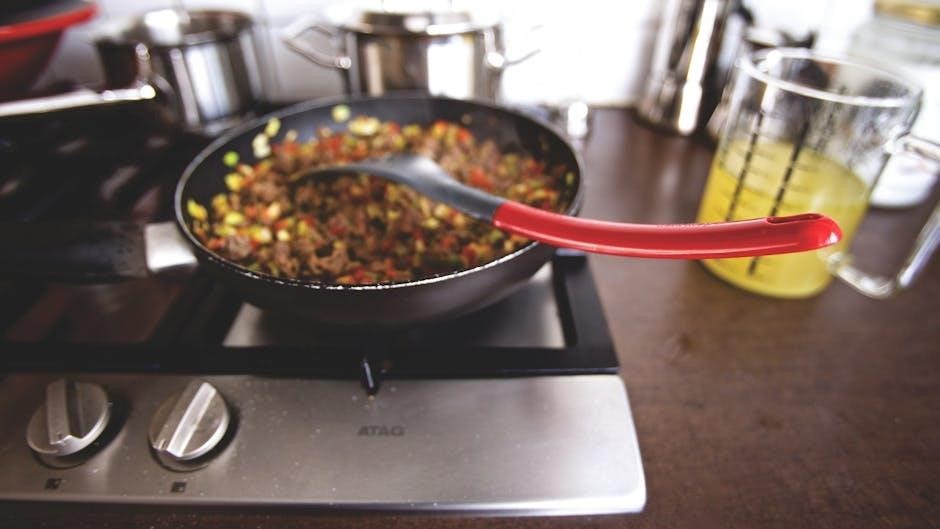
If the food begins to dry out‚ add a small amount of liquid – water‚ broth‚ or sauce – to maintain moisture․ Monitor the temperature closely‚ and avoid prolonged unattended heating․ For thicker items like stews or casseroles‚ stir more frequently‚ scraping the bottom of the pan to prevent sticking․ Remember to reach a safe internal temperature of 165°F for most foods․
Using Low to Medium Heat
Employing low to medium heat when reheating on the stovetop is fundamental for food safety and quality․ High heat can lead to uneven cooking‚ scorching‚ and potentially compromise the texture and flavor of the dish․ Lower temperatures allow for a more gradual and consistent heat penetration‚ ensuring the food is heated through without burning․
This approach is particularly crucial for delicate items like sauces or dishes with varying thicknesses․ Consistent‚ gentle heat minimizes the risk of sticking and allows for better control over the reheating process․ Remember to combine this with frequent stirring to distribute heat evenly․ Maintaining a safe internal temperature is key; avoid rushing the process with excessive heat․
Adding Moisture if Needed

During stovetop reheating‚ food can often dry out‚ impacting both texture and palatability․ If you observe the food becoming dry‚ judiciously adding a small amount of liquid – water‚ broth‚ or sauce – can restore moisture and prevent sticking․ This is especially important for items like rice‚ meats‚ and casseroles․
The added liquid creates steam‚ aiding in even heating and preventing the food from scorching․ Be mindful of the original recipe and add liquids that complement the dish’s flavor profile․ Start with a tablespoon or two‚ stirring well to incorporate it‚ and add more as needed․ Maintaining adequate moisture ensures the food remains appetizing and safe to consume‚ reaching a safe internal temperature throughout․
Specific Food Types & Heating Considerations
Reheating diverse foods demands tailored approaches for optimal safety and quality․ Leftovers‚ generally‚ require reaching 165°F to eliminate potential hazards․ Poultry and meat necessitate thorough cooking‚ ensuring no pink remains‚ as these are prone to bacterial growth․ Rice presents a unique challenge; it must be heated rapidly and thoroughly to prevent Bacillus cereus proliferation‚ a common cause of food poisoning․
Soups and stews benefit from gentle‚ even heating‚ stirring frequently to distribute warmth․ When reheating‚ consider the food’s original moisture content and adjust heating times accordingly․ Prioritize reaching safe internal temperatures‚ utilizing a food thermometer for verification․ Proper handling and heating are paramount for enjoying leftovers safely and deliciously․
Reheating Leftovers: General Guidelines
When reviving yesterday’s delights‚ prioritize speed and thoroughness․ Leftovers should be refrigerated promptly – within two hours of cooking – and reheated to an internal temperature of 165°F (75°C) to destroy any potentially harmful bacteria․ Ensure even heating‚ especially with larger portions; stir frequently during stovetop reheating or rotate dishes in the microwave․
Avoid prolonged exposure to the “danger zone” (40°F ‒ 140°F)․ Reheat only the amount you intend to consume‚ minimizing repeated heating cycles․ Utilize a food thermometer to confirm the safe internal temperature has been reached․ Remember‚ proper reheating is as crucial as the initial cooking process for maintaining food safety and preventing illness․
Reheating Poultry & Meat: Ensuring Thorough Cooking
Poultry and meat require meticulous attention during reheating due to the risk of Salmonella and other bacteria․ Always reheat to a minimum internal temperature of 165°F (75°C)‚ verified with a food thermometer inserted into the thickest part of the meat‚ avoiding bone contact․ Utilize methods promoting even heating – slow and steady on the stovetop‚ or covered in the oven with added moisture․
Avoid rapid‚ uneven heating‚ which can leave cold spots where bacteria thrive․ Ensure juices run clear when pierced with a fork․ Reheating should occur quickly‚ ideally within two hours‚ and leftovers should not be reheated more than once․ Prioritize food safety to prevent foodborne illness and enjoy your meal with confidence․
Reheating Rice: Preventing Bacterial Growth
Reheating rice demands extra caution due to Bacillus cereus‚ a bacterium that produces toxins potentially causing vomiting and diarrhea․ Cool cooked rice rapidly and refrigerate within one hour‚ ensuring it’s consumed within one day․ When reheating‚ ensure the rice is steaming hot all the way through – a minimum internal temperature of 165°F (75°C) is crucial․
Add a tablespoon or two of water before reheating to create steam and promote even heating‚ preventing dryness․ Avoid reheating rice multiple times․ Thorough reheating effectively eliminates toxins‚ but preventing bacterial growth from the outset is paramount for food safety․ Prioritize quick cooling and proper storage to minimize risk․
Reheating Soups & Stews: Achieving Even Temperature
Reheating soups and stews requires patience to guarantee a safe and palatable result․ Utilize a medium heat setting on the stovetop‚ stirring frequently to distribute heat evenly throughout the mixture․ Avoid boiling vigorously‚ as this can alter the texture and flavor․ For larger quantities‚ consider reheating in stages to maintain consistent temperature․
Ensure the entire volume reaches an internal temperature of 165°F (75°C)‚ verifying with a food thermometer․ Microwave reheating is acceptable‚ but requires stirring multiple times during the process to prevent cold spots․ Proper reheating prevents bacterial growth and ensures a thoroughly heated‚ enjoyable meal․ Consistent attention is key to success․
Food Safety Precautions During Heating
Maintaining food safety during reheating is paramount․ Prevent cross-contamination by using separate utensils for raw and cooked foods‚ and thoroughly washing all surfaces and equipment․ A food thermometer is essential for verifying that foods reach safe internal temperatures – crucial for eliminating harmful bacteria․ Remember‚ standing and stirring during microwave heating ensures even temperature distribution․
Promptly refrigerate any leftovers not consumed within two hours of cooking or reheating․ Always prioritize safe temperature-time combinations․ Heating food to 140°F or higher‚ and maintaining that temperature‚ inhibits bacterial growth․ Adhering to these precautions safeguards your health and ensures a safe dining experience․

Avoiding Cross-Contamination
Cross-contamination poses a significant food safety risk during reheating․ Always utilize separate cutting boards‚ utensils‚ and containers for raw and cooked foods to prevent the transfer of harmful bacteria․ Thoroughly wash hands with soap and water before and after handling food‚ especially after contact with raw meat‚ poultry‚ or seafood․
Ensure surfaces are properly sanitized after each use․ Never place reheated food on a plate that previously held raw ingredients․ Employ diligent cleaning practices to minimize the potential for bacterial spread․ This proactive approach safeguards against foodborne illnesses and maintains a hygienic cooking environment‚ contributing to overall food safety․
Using a Food Thermometer
Employing a food thermometer is paramount for verifying safe internal temperatures during reheating․ Insert the thermometer into the thickest part of the food‚ ensuring it doesn’t touch bone‚ fat‚ or the container․ Aim for a minimum internal temperature of 165°F (74°C) for poultry‚ 145°F (63°C) for whole cuts of beef‚ pork‚ lamb‚ and fish‚ and 75°C for other foods to eliminate harmful bacteria․
Regularly calibrate your thermometer for accuracy․ Check the temperature in multiple spots to ensure consistent heating throughout the food․ Relying on visual cues alone is insufficient; a thermometer provides a definitive measure of safety․ This practice guarantees thorough cooking and minimizes the risk of foodborne illness‚ protecting your health and well-being․
Hot Holding Food After Reheating (140°F or Higher)
Maintaining food at 140°F (60°C) or higher after reheating is critical to prevent bacterial proliferation․ Utilize warming trays‚ chafing dishes‚ or slow cookers to consistently hold food at a safe temperature․ Regularly monitor the food’s temperature with a food thermometer‚ ensuring it remains above the safety threshold․ Avoid prolonged holding‚ as even at safe temperatures‚ quality can degrade over time․
If holding food for extended periods‚ stir it frequently to distribute heat evenly․ Discard any food that has been in the temperature danger zone (40°F ‒ 140°F) for more than two hours․ Proper hot holding practices are essential for food safety‚ especially when serving multiple individuals or during buffet-style meals․
Resources for Further Information on Food Safety
For comprehensive guidance on food safety practices‚ several reputable resources are readily available․ The Food Safety and Inspection Service (FSIS) of the USDA provides detailed information on safe cooking temperatures‚ reheating guidelines‚ and preventing foodborne illnesses – visit their website at foodsafety․gov․
Additionally‚ state and local health departments offer valuable resources tailored to your region․ Meals on Wheels Yolo County provides specific guidelines for their participants‚ emphasizing the importance of following instructions․ Explore extension services from land-grant universities for research-based food safety information․ Remember‚ prioritizing food safety is paramount‚ and these resources can empower you with the knowledge to handle food safely and confidently․